You Can't Scroll Past a Feeling: Sensory Marketing in 2026
- Sakshi Wadgaye
- Apr 5
- 3 min read

There is a reason you linger longer in certain stores. A reason some brand videos stop your thumb mid-scroll. A reason you can walk into a space you have never visited before and somehow already feel at home in it.
It is not luck. It does not taste good. It is sensory marketing and the brands doing it well are doing it entirely on purpose.
In a world where attention is the scarcest resource and audiences are becoming increasingly immune to generic content, the brands cutting through are not the ones shouting the loudest. They are the ones making people feel something before a single word of copy has been read. Before a product has been touched. Before a conscious decision has even been made.
The research is unambiguous on this. Sensory cues, what we see, hear, and smell in a brand environment influence how long people stay, what they engage with, how much they spend, and whether they come back. These are not soft outcomes. They are measurable, strategic, and almost entirely within a brand's control.
Most brands are still leaving them to chance.
Here is what three of the best are doing differently and what the rest of us can take from it.
Glossier - Consistency Is the Strategy
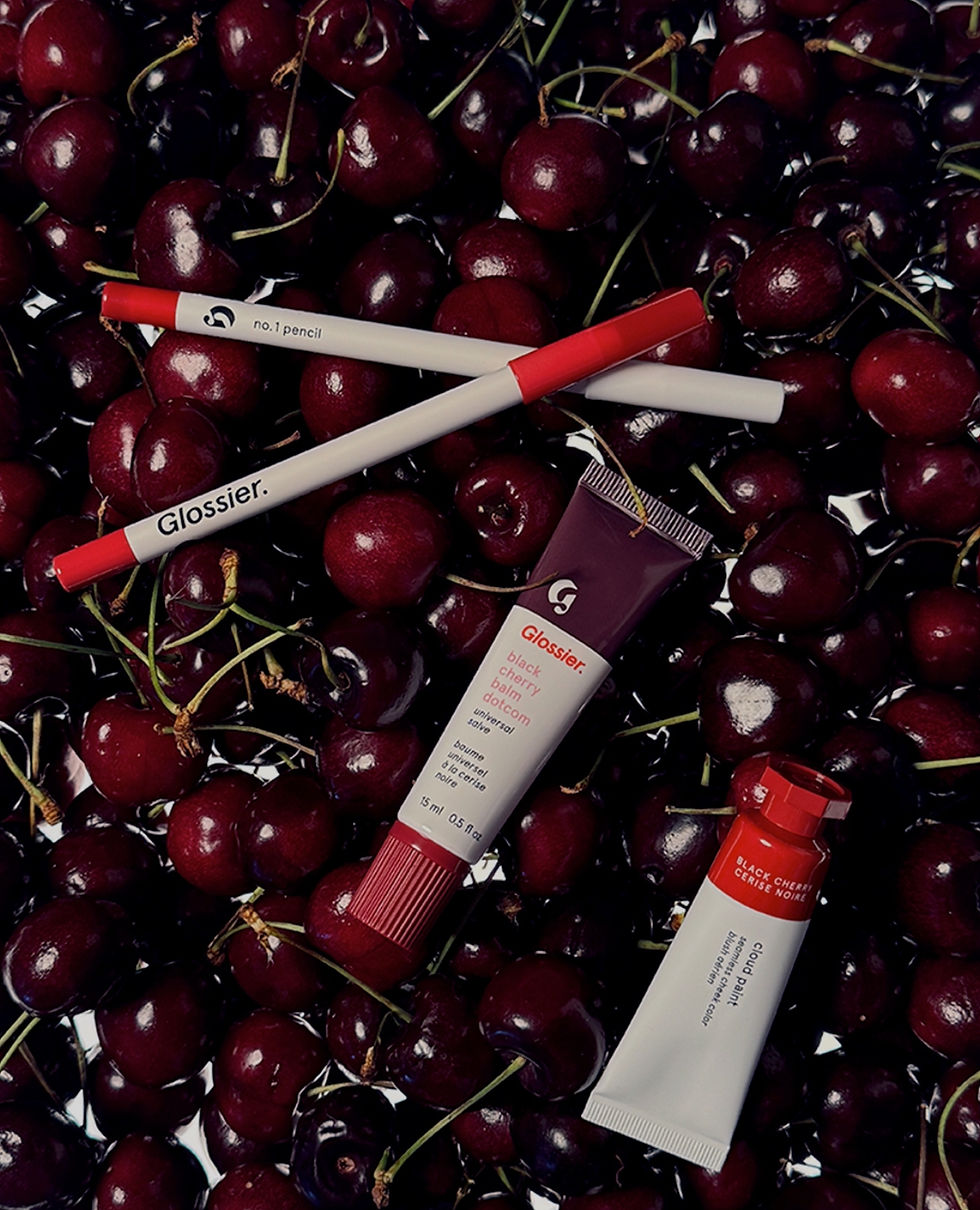
Glossier didn't build a $1.8 billion brand by accident. They built it by making sure every image, every shelf, every product shot speaks the exact same visual language. And when they pivot they pivot fully.
Take the Black Cherry campaign. Deep burgundy packaging nestled in trays of real cherries. Glossy, rich, tactile. You can almost smell the fruit through the screen. The colour doesn't just look good, it communicates. Research confirms that higher colour saturation increases perceived sensory intensity and product appeal. Glossier didn't just pick a pretty shade. They picked one that makes you feel something before you've read a single word.

When your visual identity is this intentional, people don't just recognise your brand. They want to be inside it. That's not aesthetics. That's strategy.
Apple - When Sound Becomes the Product

Walk into any Apple Store and notice what you do not hear. No jingles. No promotional announcements. No background music competing for your attention. Just a calm, open hum of activity people talking, products being tested, the gentle tap of a keyboard.
That silence is a decision. A very deliberate one.
Research shows that sound shapes the pace of the entire customer experience influencing how long people stay, how much they spend, and even how they evaluate everything else around them. Apple understood that for a brand built on clarity, simplicity and premium design, the wrong sound would undermine everything the space was trying to say. So instead of filling the room, they stripped it back. The absence of noise is the brand statement.
The result is a store environment that feels calm, unhurried and confident. Customers slow down. They pick things up. They stay longer. They leave feeling like the experience matched the product and that feeling is entirely by design.
Most brands add sound without thinking. Apple removed it without apology. That is the difference between decoration and strategy.
Lush- When Your Smell Is Your Shopfront

Walk past a Lush store and you know it before you see it. That is not a coincidence. That is a scent strategy doing the job of a shop window before your eyes have even found the sign.
Scent bypasses conscious thought and connects directly to emotion and memory which is precisely why it is so powerful and so underused. But the research is equally clear: scent only works when it fits. Too strong, too mismatched with other cues, and it does not just fail it actively reduces spending.

Lush works because the smell and the brand tell exactly the same story. Bright, bold, unapologetically natural. Every product on display looks as vivid as it smells. The whole experience is congruent and that congruence is what turns a walk past into a walk in.
Stop Decorating. Start Deciding.
Coherence beats intensity. Every time. The brands winning on sensory marketing aren't spending the most, they're thinking the most carefully. Every sound, every visual, every scent should be a deliberate brand statement consistent with every other statement you're making.
If you're leaving that to chance, you're letting chance decide how people feel about your brand.
At TailorCraft Marketing, we help brands build experiences people actually feel. Get in touch.


Comments